 ENG
ENG
 INA
INA
Colonial Traces on Screen: De Oost Film Review Highlights the 62nd Bachelor of History’s Anniversary
.jpg)
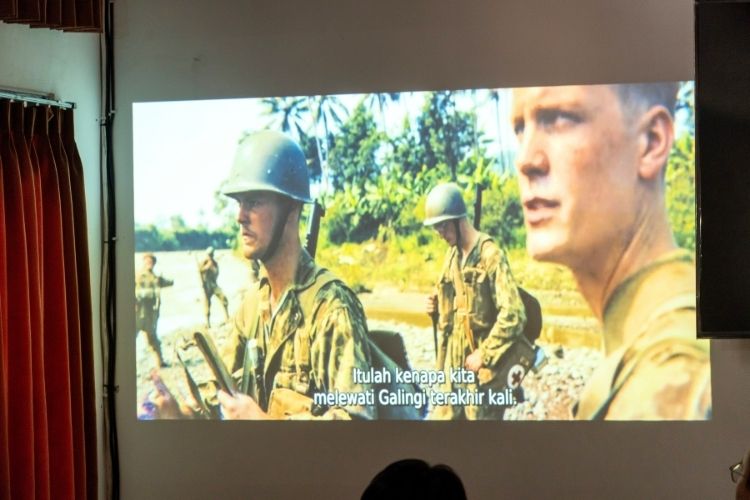
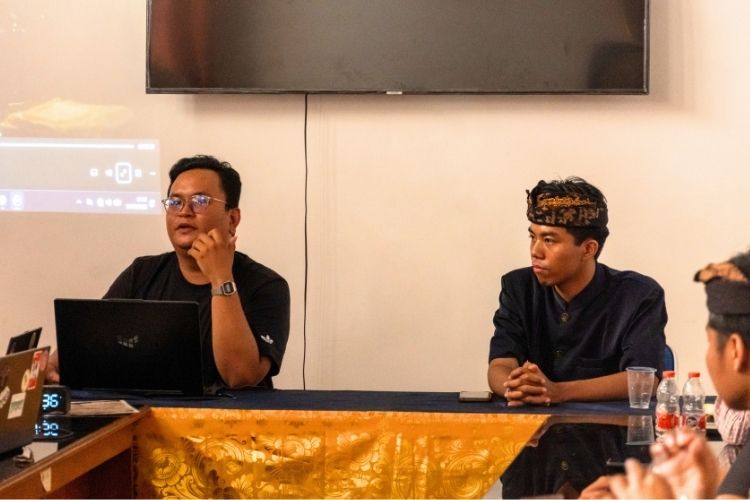
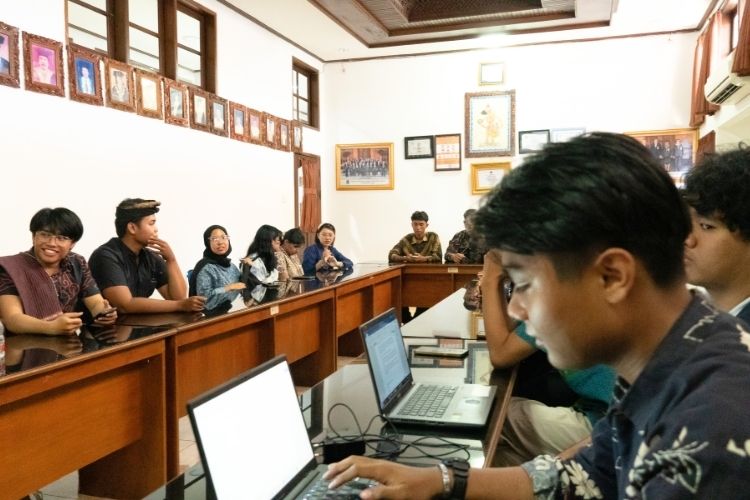
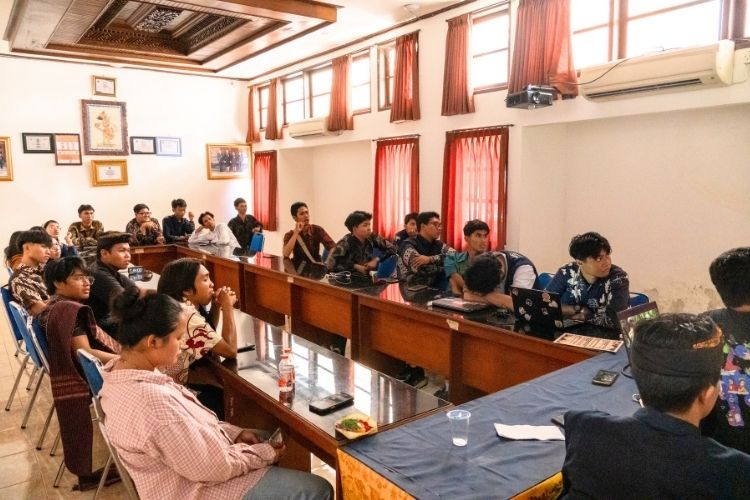
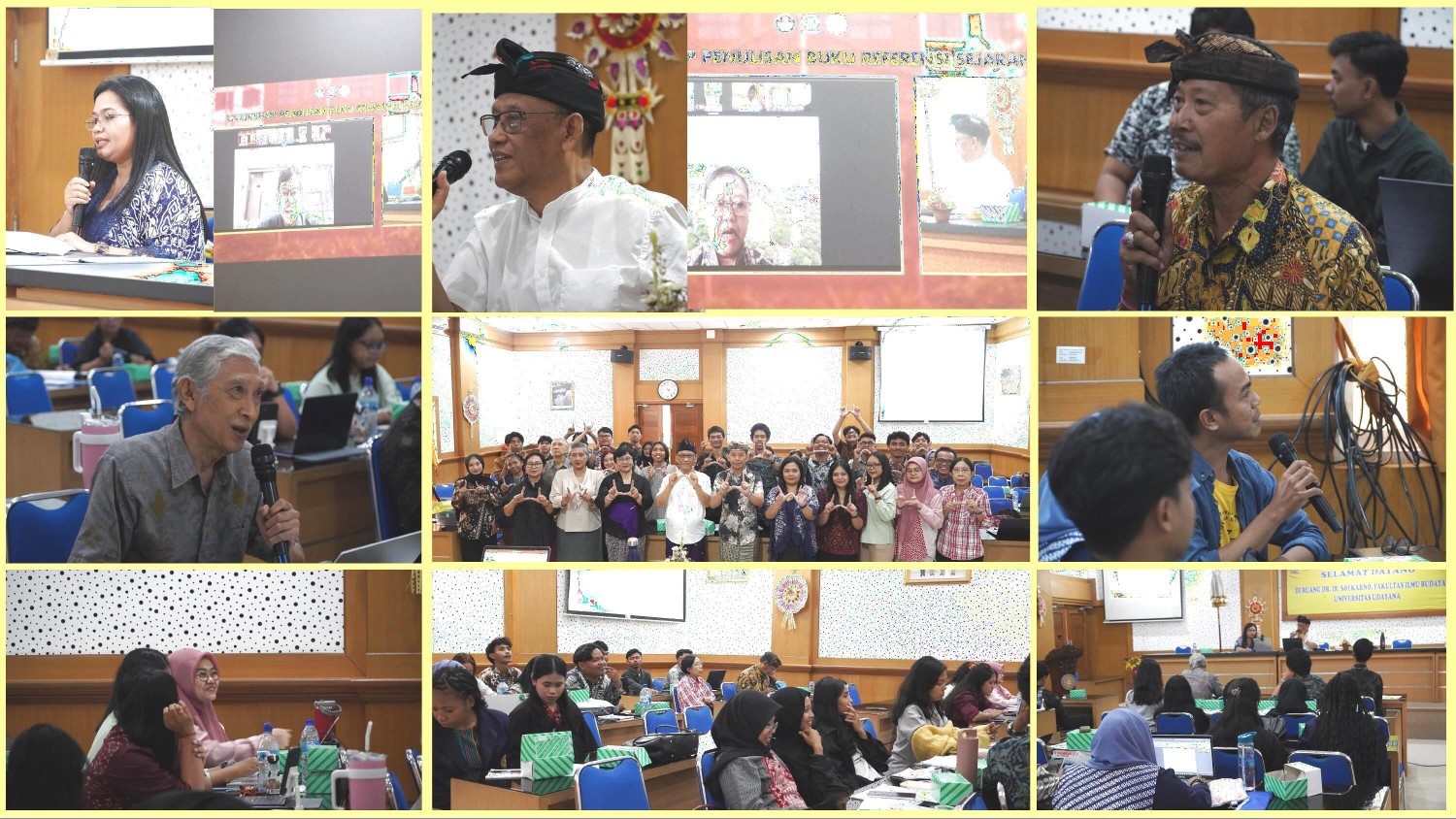
The anniversary celebration of the 62nd anniversary of the Bachelor of History at the Faculty of Humanities, Udayana University featured a diverse range of discussions . It was held in parallel session with book discussion. The enthusiasm of academicians attended in the Guru Besar Room on the second floor of the Prof. Dr. Ida Bagus Mantra Building at the Faculty of Humanities Udayana University the film discussion on Tuesday (August 18, 2026). This session was moderated by I Dewa Made Adnyana Setiarsa, exclusively analyzed the film *The East* or *De Oost* (2020) which was directed by Jim Taihuttu.
The film De Oost set during the Military Aggression post-Indonesian Independence. The film follows the story of Johan de Vries, a young Dutch soldier deployed to the archipelago to suppress the independence movement. During his assignment, he joins an elite force under the command of Raymond Westerling. Inner conflict and moral crisis begin to plague Johan as he directly witnesses the brutality and heinous massacre tactics carried out by his own commander against the local people. This session’s keynote speaker was Mikael Yohanes Pradana Yapari, a young scholar who specifically chose the film *De Oost* as the subject of his thesis. The presentation began with Mikael sharing the academic challenges he faced in convincing his department that a cinematic work was worthy of being the subject of historical research. His scholarly argument emphasized that the scope of history is no longer narrow and limited to human subjects alone. This definition is considered broadened to include various traces of human heritage, ranging from inscriptions and books to visual works. Therefore, the film *De Oost* is positioned as a valid subject of history, especially since a similar approach to film has already been widely applied in various other historical studies.
The motives behind the production of *De Oost* were also explored in this session. It was revealed that the film is unique because it was produced by the “colonizers” (the Dutch) but directed by Jim Taihuttu, a Dutch filmmaker of Maluku descent. The film emerged from the director’s identity crisis, as he questioned why his great-grandfather’s origins in the Moluccas seemed to be concealed and never discussed—neither within his family nor in the curriculum of Dutch schools. A lively discussion ensued, highlighting the place of historical films in society. The audience and panelists exchanged views on the line between fact and fiction in the film, as well as how to change the public’s perception of historical films, which are often viewed merely as tools for political narratives.
This film review session successfully broadened the participants’ perspectives, helping them realize that a cinematic work is not merely a form of visual entertainment, but rather a human legacy that encapsulates struggles over identity, collective memory, and historical narratives—all of which deserve critical examination.
Gallery
.jpg)
UDAYANA UNIVERSITY