 ENG
ENG
 INA
INA
Bachelor of History Faculty of Humanities conducted “Workshop, Elevating Narratives of Eastern Indonesian Studies”
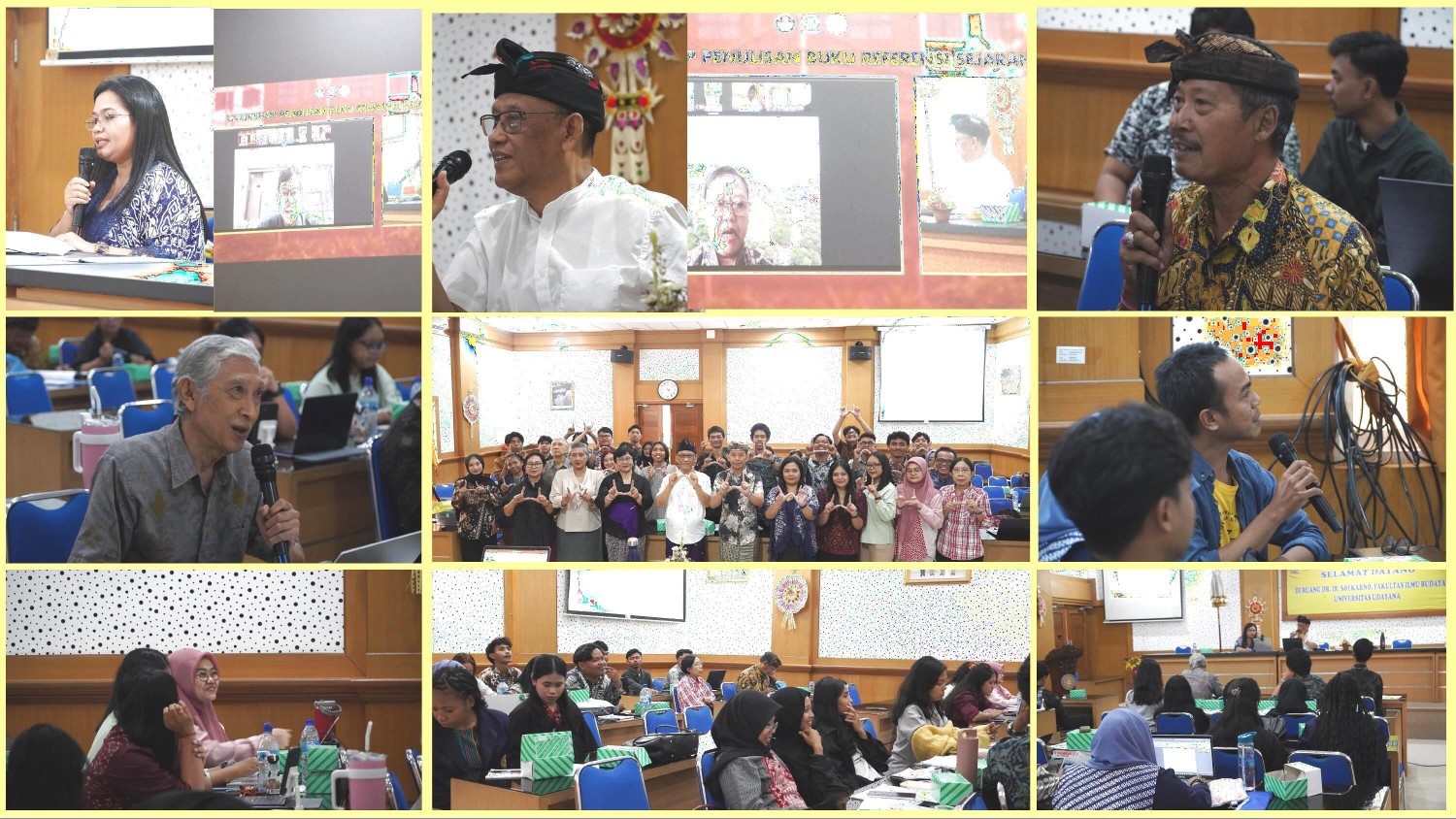
The Bachelor of History, Faculty of Humanities, Udayana University conducted a Historical Reference Book Writing Workshop with the theme "Bibliography of Eastern Indonesian Studies" on Thursday, September 24, 2026, in a hybrid format. Located in the Dr. Ir. Soekarno Meeting Room, 4th Floor of the R.M. Ng. Poerbatjaraka Building. the workshop was attended by lecturers and students from the Bachelor of History with the aim of mapping and enriching historical literature sources regarding the eastern region of the archipelago.
The event began with opening remarks from the Coordinator of the Department of History, Prof. Dr. phil. I Ketut Ardhana, M.A. He emphasized that this workshop serves as a strategic step to elevate historical narratives outside the Western Indonesian region. The reference book writing project has progressed rapidly, reaching over 200 pages involving more than 20 authors, and is targeted for publication next year to reach an international audience.
In his speech, Prof. I Nyoman Aryawibawa, S.S., M.A., Ph.D., Dean of the Faculty of Humanities Udayana University highlighted the urgency of Eastern Indonesian studies. He appreciated the initiative of the Department of History as a crucial effort to balance national historical narratives and development, which have long been heavily centered in the western region.
The series of presentations opened with a material delivery by Prof. Dr. Drs. Budi Agustono, M.S. from Universitas Sumatera Utara, moderated by Dr. Fransiska Dewi Setiowati Sunaryo, S.S., M.Hum. In a presentation titled "Bibliography of Eastern Indonesia," Prof. Budi reviewed the historical traces of the archipelago divided into Western and Eastern references. The presentation traced the exploration of Western Nusantara by figures such as Ibn Battuta and Zheng He, as well as the exploration of Eastern Nusantara by figures like Tomé Pires and Antonio Pigafetta in the 16th century. He also highlighted the diversity of travel records covering aspects of geography, politics, population, and spice wealth. Furthermore, Prof. Budi summarized various literatures from historians, anthropologists, and sociologists discussing issues of identity, ethnic conflicts, church history, and resistance against colonialism in various regions of Eastern Indonesia. In closing, he encouraged future research agendas to fill the historical research gaps of the 1950s-1960s era and explore new themes regarding the region.
During the Q & A session, Prof. Budi emphasized the need to explore the micro-history of ordinary people and specific issues. His experience in researching grassroots history in conflict areas and translating medical literature shows that local events are always closely related to regional dynamics, while ecological and health themes are still minimally explored. Therefore, to make the historical narrative of the Eastern region more representative, researchers are encouraged to take up rarely touched topics, such as health history which simultaneously hold great potential for penetrating international journals.
In the hybrid presentation session, contributors to the "Bibliography of Eastern Indonesia" book presented their manuscript drafts to enrich national historiography. The topics raised were highly diverse, ranging from social capital analysis at the Nunukan border, identification of research gaps in NTB and NTT, to a literature review of Balinese arts and culture. Additionally, a bibliography mapping of Kalimantan Island was presented—driven by the relocation of the National Capital (IKN)—which innovatively utilized AI tools to predict the availability of tens to hundreds of thousands of literature entries. This comprehensive series of presentations reaffirmed the collaborative commitment of academics in exploring local issues that are still rarely touched upon.
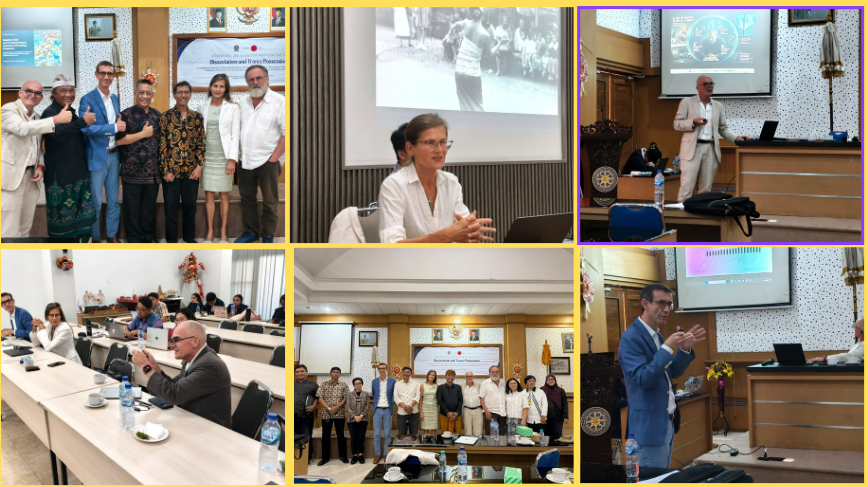
In his presentation, Assoc. Prof. Dr. Ariel Lopez highlighted the traces of historical relations between the southern Philippines and Eastern Indonesia that have been intertwined since the 15th century. He proved this past connectivity through historical artifact legacies, such as diplomatic documents from the Sultanate of Sulu to the Sultanate of Ternate, as well as a gold chain heirloom (Kolara) gifted by the Sulu Kingdom, which is currently kept at the Balla Lompoa Museum in Makassar. Furthermore, he also dissected literature recording the migration of the Ternate people to Luzon Island in the 17th century due to Dutch colonial pressure, who then settled and formed the identity of the Ternate Cavite community in the Philippines to this day.
Concluding the workshop series, Prof. Dr. phil. I Ketut Ardhana, M.A. presented the framework of "Analytical Bibliography of Eastern Indonesian Studies: Perspectives of Social Sciences and Humanities," which aims to overcome the historiographical imbalance inherited from Dutch colonialism between the Western and Eastern Indonesian regions through a multidimensional historical approach. Regarding the progress of the reference book's compilation, he proudly announced that the collected manuscript drafts have now reached 150 to 200 pages, and this number does not include several additional manuscripts from other contributors that are still being finalized. As a form of appreciation for the enthusiasm and spirit of young academics contributing to this cross-disciplinary project, Prof. Ardhana confirmed the plan to publish the book in a bilingual format (Indonesian and English) so that a holistic understanding of the Eastern region can reach a wider reading audience.
.jpg)
UDAYANA UNIVERSITY