 ENG
ENG
 INA
INA
Exploring International Dynamics: The Bachelor of History Faculty of Humanities, Udayana University Held Area Studies Workshop
.jpg)
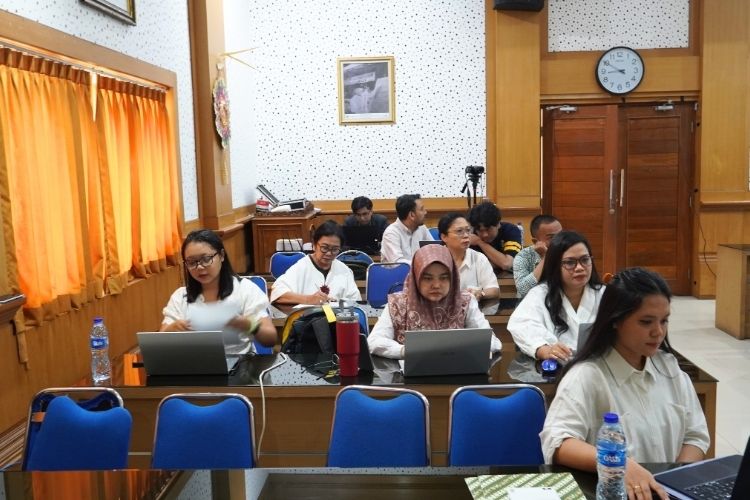
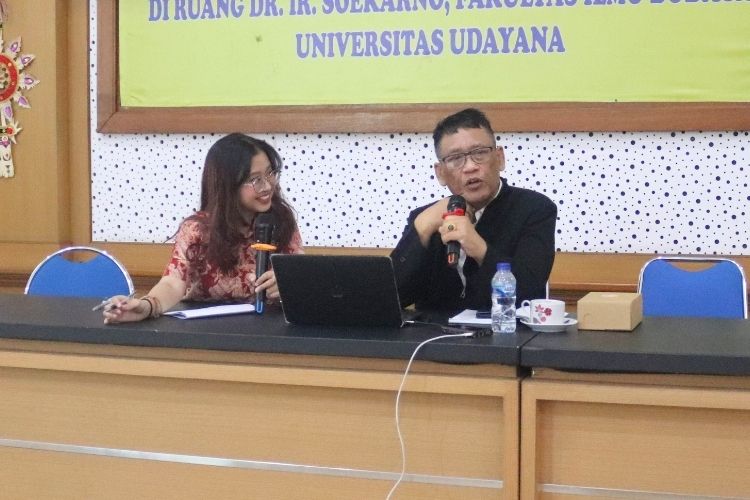
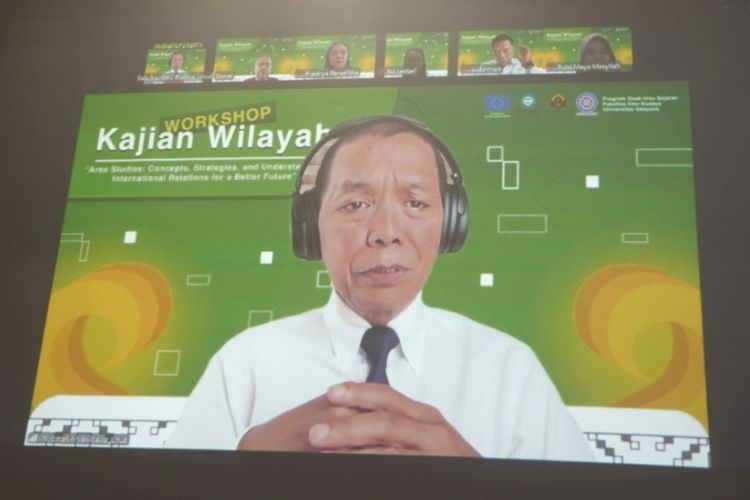
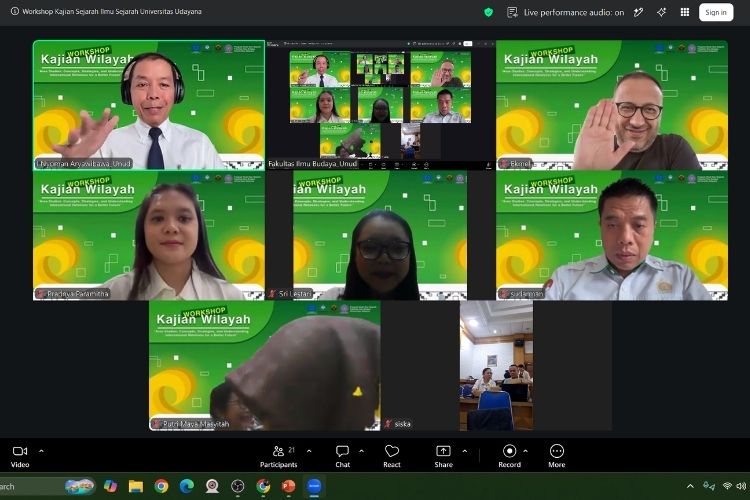
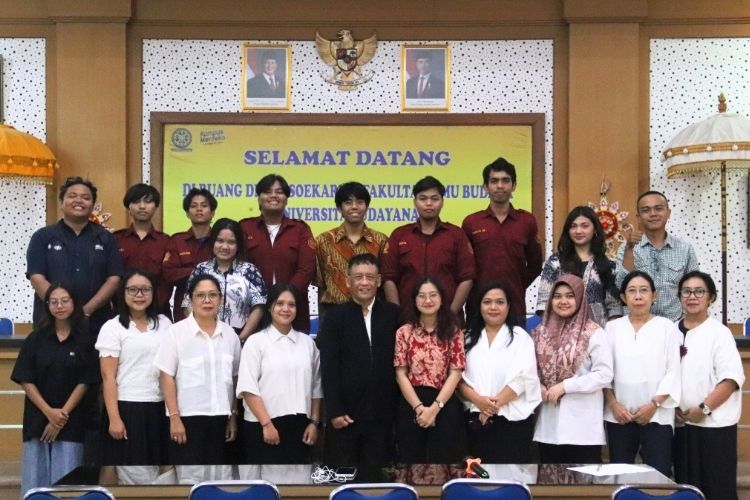
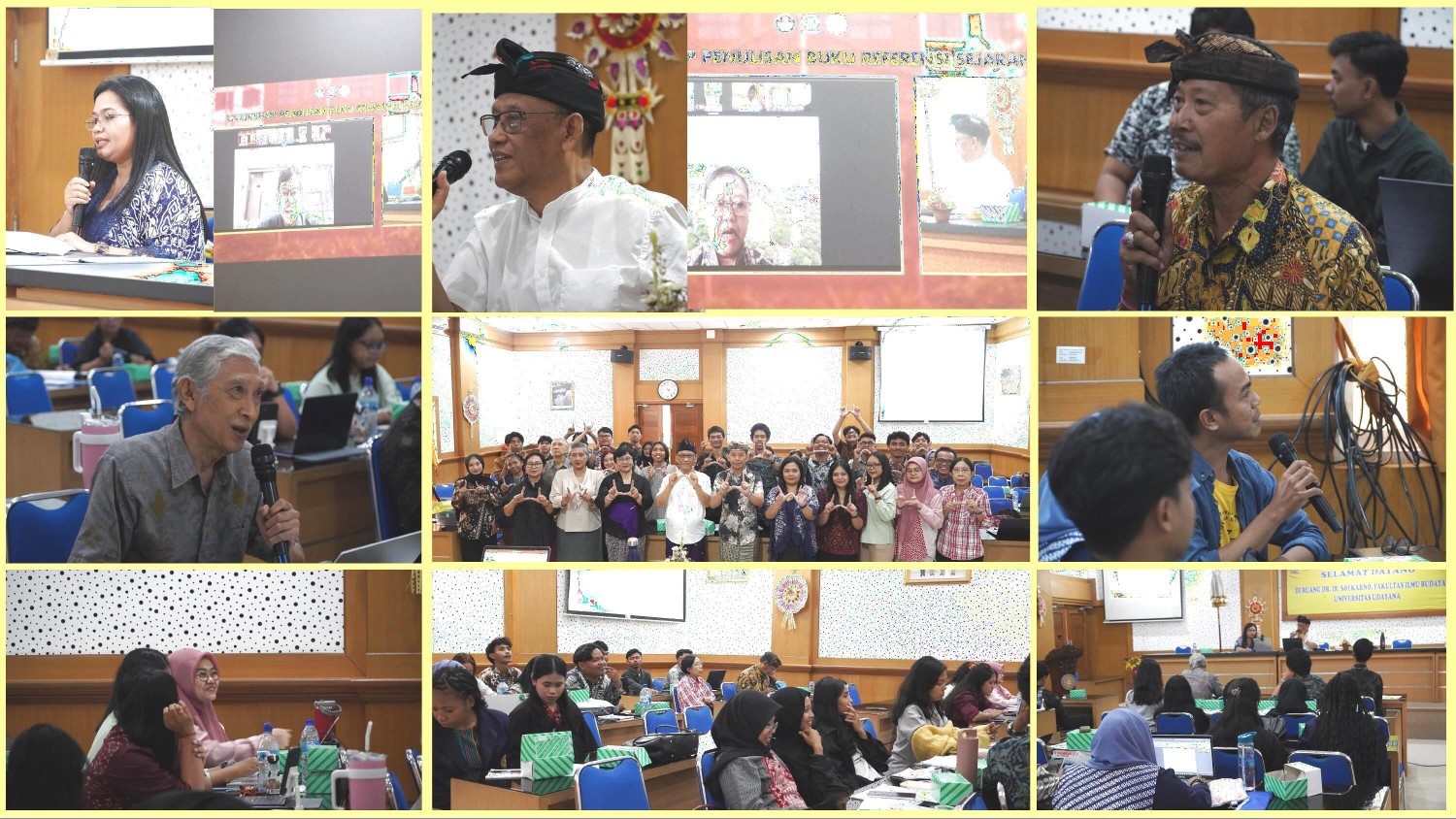
Denpasar – The Department of History at the Faculty of Humanities (FIB), Udayana University (Unud), held an Area Studies Workshop entitled "Area Studies: Concepts, Strategies, and Understanding International Relations for a Better Future," which took place in a hybrid format on Monday, August 3, 2026. Held in the Dr. Ir. Soekarno Meeting Room, 4th Floor of the Poerbatjaraka Building at FIB Unud, the workshop was attended by representatives of the Dean's Office, as well as lecturers and students from the Department of History, reflecting the department's proactive commitment to deepening the understanding of area studies. The workshop invited several experts across institutions, including Prof. Dr. Sudarman, S.Hum., M.A., from the State Islamic University (UIN) Imam Bonjol Padang; Prof. Dr. Ekmel Geçer from Marmara University, Türkiye; and Prof. Dr. phil. I Ketut Ardhana, M.A., from Udayana University.
Opening the event, the Coordinator of the Department of History, Prof. Dr. phil. I Ketut Ardhana, M.A., expressed his hope that this workshop would enrich the academic community's analytical perspectives through comprehensive and comparative approaches in responding to global dynamics. Echoing this sentiment, the Dean of FIB Unud, Prof. I Nyoman Aryawibawa, S.S., M.A., Ph.D., who officially opened the event, expressed his appreciation for the presence of the international experts. He emphasized that area studies hold a crucial urgency as they offer a holistic perspective encompassing the intersections of history, language, culture, and politics. This, in turn, can serve as a tangible effort toward capacity building for students, lecturers, and the institution in the future.
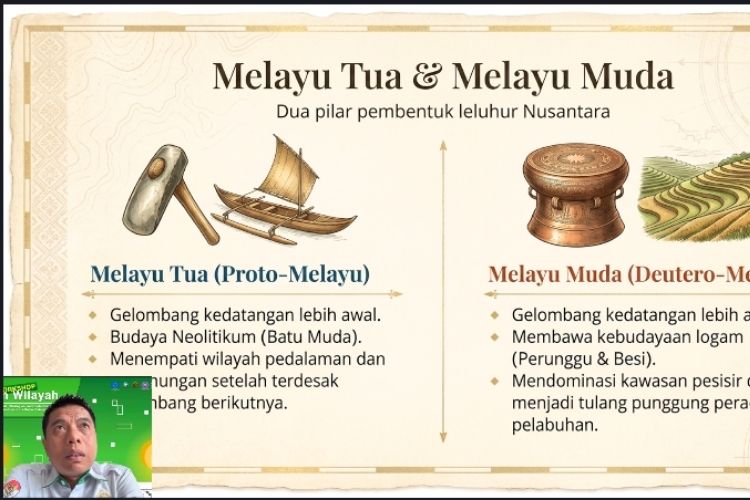
Entering the main presentation session, the area studies discipline was initially dissected through the lens of Nusantara's maritime history. Through his presentation titled "The Cradle of Malay Civilization: A Historical-Anthropological Study of the Cultural Connectivity of Minangkabau and the Malay Peninsula," Prof. Dr. Sudarman, S.Hum., M.A., discussed the origins of Malay civilization and the close relationship between Minangkabau and the Malay Peninsula. He explained that the Nusantara civilization was shaped by the arrival waves of the Proto-Malays in the interior and the Deutero-Malays along the coasts, which were later enriched by Indian, Persian, Chinese, and European cultural currents. This cultural dissemination was driven by the merantau (migration/wandering) tradition of the Minangkabau people since the late 17th century. In this context, the Strait of Malacca played a significant role as a highway of civilization, proving that Malay identity was formed from a dynamic maritime network.
Complementing this historical overview, the discussion shifted to the importance of social connectivity within society through a psychological approach. Delivering a review titled "Finding Flourishing in Community: Cultural Values, and Psycho-Social Well-Being in Turkish Collectivism," Prof. Dr. Ekmel Geçer highlighted the urgency of collective psychological well-being. He asserted that human happiness heavily relies on the quality of social relationships. A supportive and psychologically safe environment is highly necessary, ranging from the family level up to the state level. Various studies have proven that strong social bonds and habits of mutual assistance can lower stress and prolong life. To face the challenges of the current digital era, he also suggested that parents limit children's gadget usage and prioritize genuine, empathy-based interactions.
The understanding of these societal dynamics was then broadened into the context of the global world order by examining the development of multiculturalism in Europe. Through a presentation titled "European Area Studies: Understanding multicultural societies in the context of enhancing human well-being and dignity," Prof. Dr. phil. I Ketut Ardhana, M.A., reiterated the importance of the Area Studies discipline in mapping international political situations. Based on his research, he highlighted the challenges of multiculturalism in Germany, which is heavily influenced by the high influx of migrant workers from Turkey since 1961. Prof. Ardhana then compared the characteristics of multicultural societies in the European country with the conditions of harmony in Southeast Asia. He concluded that a comprehensive understanding of European history is a vital key for the academic community to analyze various social issues currently sweeping the globe.
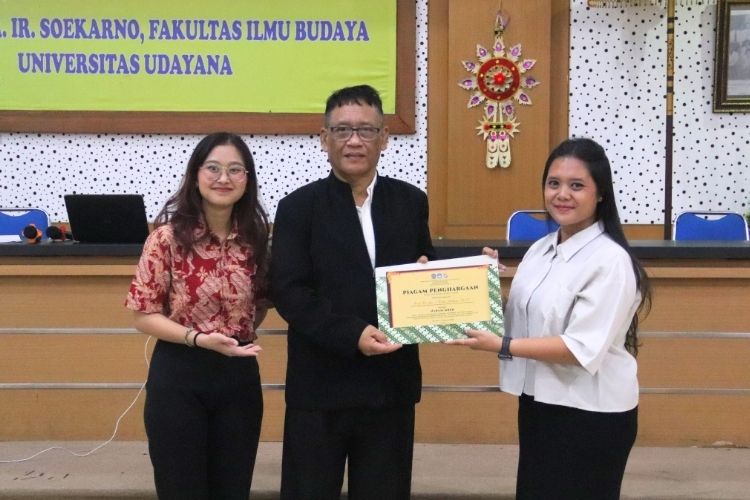
The series of presentations from the three speakers successfully ignited the participants' enthusiasm. This was vividly evident during the interactive discussion session, as representatives of lecturers and students posed various critical questions regarding Nusantara's maritime trade history, the challenges of parenting in the digital era, and the historical relevance of European studies in responding to contemporary global conflicts. The Area Studies Workshop then concluded with the presentation of certificates of appreciation to the three experts for their scientific contributions.
Through the organizing of this workshop, the Department of History at FIB Unud hopes that the discourse on Area Studies does not merely stop at a theoretical level inside the classroom. This activity is expected to produce young scholars who are not only critical in dissecting history but also possess adequate empathetic sensitivity and cross-cultural insights in responding to the dynamics of global politics. Moving forward, this holistic perspective is believed to be crucial capital for the academic community in contributing to the building of a better civilization and global society order.
Gallery

.jpg)
UDAYANA UNIVERSITY