 ENG
ENG
 INA
INA
KRAMA, Faculty of Humanities, Udayana University held a Bingkis'ant event to discuss cancel culture in the digital space
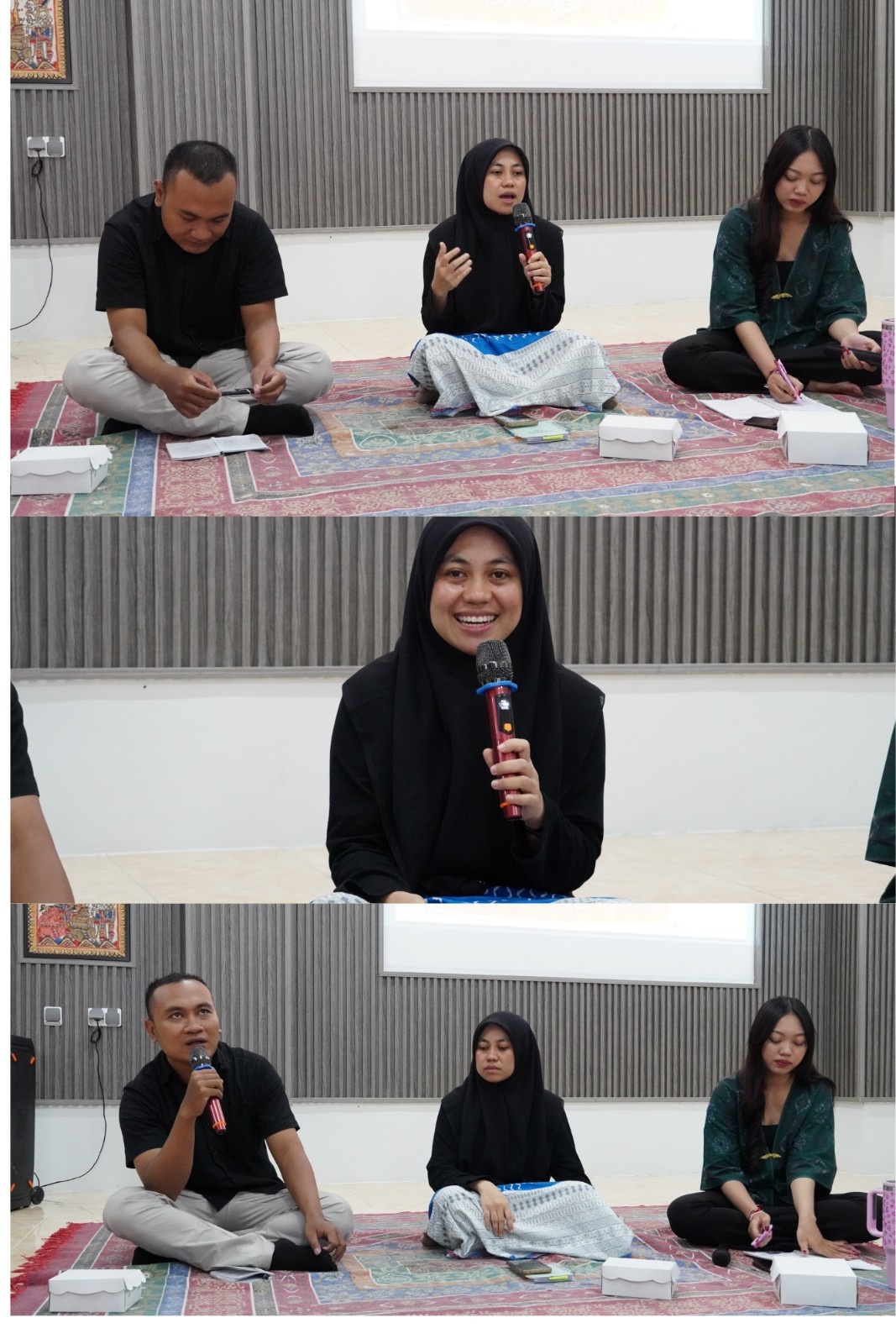
The Cultural Anthropology Student Association (KRAMA) of the Faculty of Humanities Udayana University once again held Bingkis’ant, or Critical Anthropology Discussion, on Friday (May 8, 2026) in the Prof. Dr. I Wayan Bawa Room, Prof. Ngurah Bagus Building, 3rd Floor, FIB Nias Campus. This event featured the theme “Cancel Culture as a Battleground in the Digital Space” and was attended by students from the Cultural Anthropology Program.
Bingkis’ant is a discussion forum that addresses various social issues relevant to contemporary society. For this session, the topic of cancel culture was chosen because it is increasingly prevalent on social media and influences how the public forms opinions, responds to, and passes judgment on issues or public figures in the digital space.
The discussion featured two lecturers from the Bachelor of Cultural Anthropology Faculty of Humanities Udayana University, as keynote speakers Wildan Wahyudinanta, S.S., M.Hum. and Ria Hikmatul Hayati, S.Pd., M.Hum. During the event, participants not only listened to the presentations but also actively engaged in discussion and Q&A sessions regarding the phenomenon of cancel culture, which is rampant on social media.
In his presentation, Wildan Wahyudinanta, S.S., M.Hum., discussed cancel culture as a form of mass judgment that has emerged on social media due to the openness of digital communication spaces. He explained that digital media allows the public to easily post comments, criticism, or opinions regarding a viral issue. According to him, the phenomenon of cancel culture often arises because social media users feel an emotional connection or share similar experiences regarding a particular case. Additionally, he highlighted how social media can serve as a platform for shaping public opinion, influenced by algorithms, media framing, and economic interests through the monetization of viral content.
Meanwhile, Ria Hikmatul Hayati, S.Pd., M.Hum., emphasized that social media algorithms have a significant influence on how the public receives and responds to information in the digital space. She explained that content frequently searched for or consumed by users continues to be displayed by social media platforms, thereby unconsciously shaping certain mindsets and tendencies. She also reminded the audience that what is displayed on social media does not necessarily represent a person’s reality in its entirety. Therefore, social media users need to exercise self-awareness and self-restraint when commenting on or responding to information circulated on the internet.
In addition to discuss the influence of social media on the formation of public opinion, the discussion also touched on how cancel culture can be leveraged for specific purposes, such as increasing social media engagement or boosting the popularity of certain content. During the discussion session, participants were encouraged to view the phenomenon of cancel culture not only as a form of social criticism but also as part of the evolving dynamics of digital culture within society.
Through this activity, participants were encouraged to better understand the impact of social media use in daily life, particularly regarding the ethics of commenting and how to approach information in the digital space. Bingkis’ant also served as a discussion forum for students to develop a more critical perspective on various social phenomena currently prevalent on social media.
.jpg)
UDAYANA UNIVERSITY