 ENG
ENG
 INA
INA
Study on the Translation of Information Technology Terms: The Doctoral Program in Linguistics Faculty of Humanities, Udayana University graduates the 289th Doctoral student
.jpg)
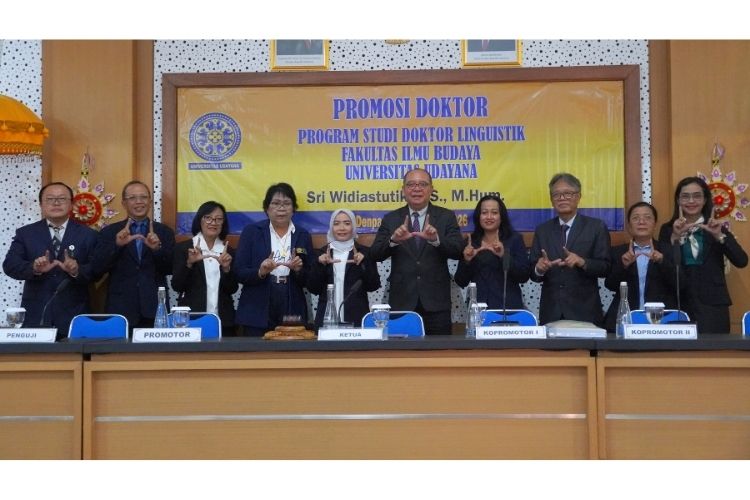
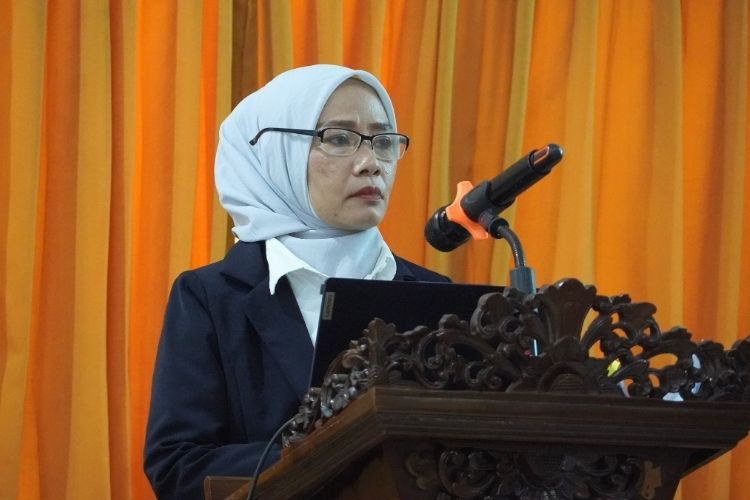
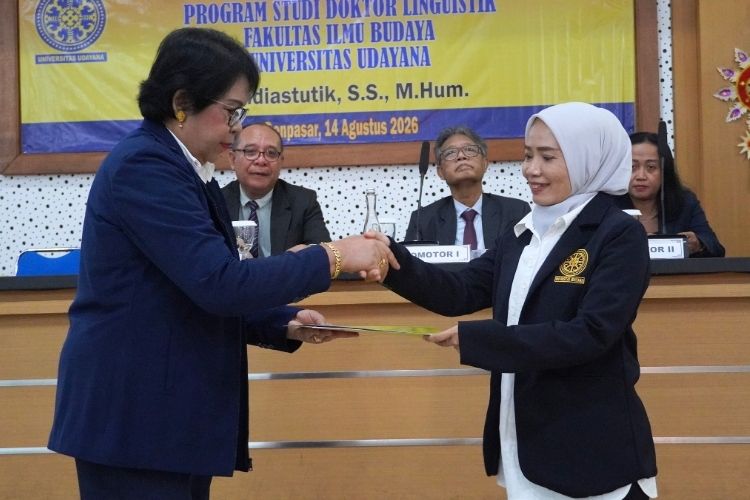
The Linguistics Doctoral Program, Faculty of Humanities, Udayana University once again produced a new doctor at the Open Doctoral Examination. It was held in the Dr. Ir. Soekarno Meeting Room, R.M. Ng. Poerbatjaraka Building, 4th Floor on Friday, August 14, 2026. The Promovenda, Sri Widyastuti, S.S., M.Hum., successfully defended her dissertation entitled “Translation of Information Technology Terminology in the Textbook of Electronic A First Course” and achieved a “Highly Satisfactory” predicate. Through this examination, which was attended by her family and colleagues. She was officially inaugurated as the 289th Doctor in the Linguistics Doctoral Program of Faculty of Humanities.
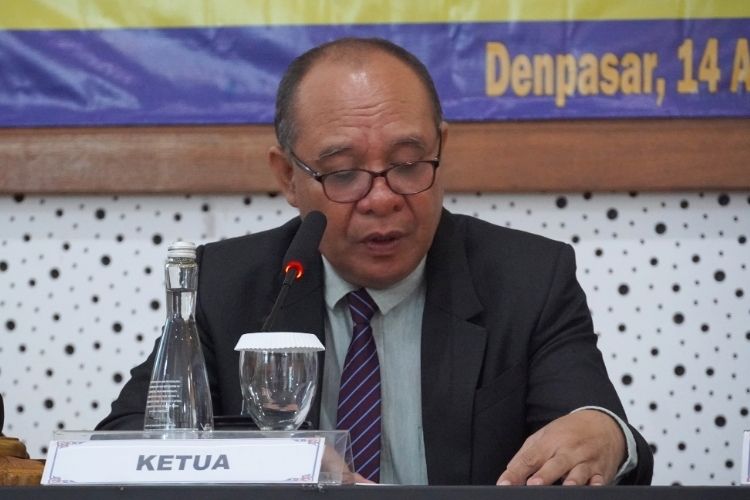
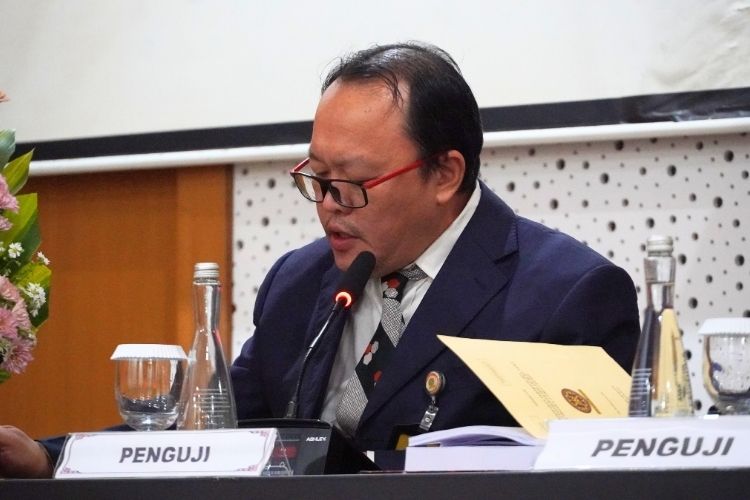
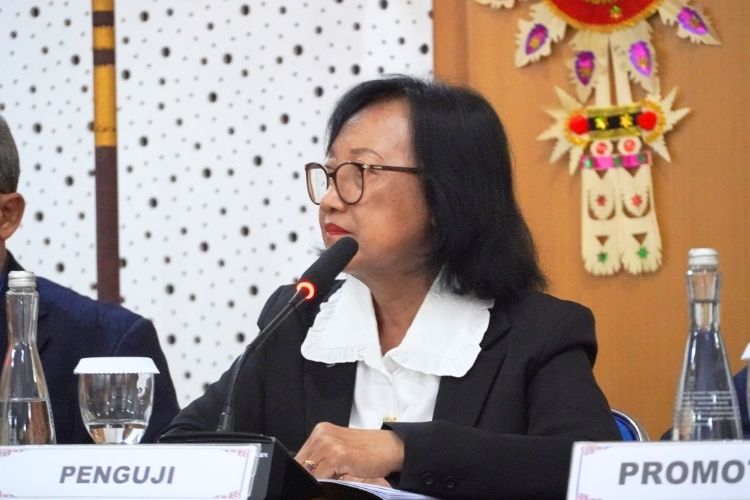
The Promovenda's succeed to defend her research which was certainly inseparable from the guidance and evaluation of the examination board. This open examination was led by Prof. Dr. I Made Netra, S.S., M.Hum., and accompanied by Prof. Dr. Ni Luh Sutjiati Beratha, M.A. as the Promotor, Prof. Dr. Drs. I Made Rajeg, M.Hum. as the first Co-promotor, and Dr. I Gusti Agung Istri Aryani, S.S., M.Hum. as the second Co-promotor. The board of examiners assessing the viability of this dissertation included Prof. Dr. Dra. Ni Wayan Sukarini, M.Hum., Prof. Dr. I Nyoman Suparwa, S.S., M.Hum., Prof. Dr. Dra. Luh Putu Laksminy, M.Hum., Dr. I Gede Oeinada, S.S., M.Hum., and Prof. Dr. I Gusti Agung Sri Rwa Jayantini, S.S., M.Hum., who acted as the external examiner from Mahasaraswati University Denpasar.
The Promovenda explained that her dissertation research was motivated by the rapid development of global technology which often triggers inconsistent use of terminology in Indonesia. This results in the rampant direct adoption and transference of foreign terms due to the unavailability of accurate equivalents. Therefore, this research highlights the urgency of bridging the gap between formal language policies—namely the terminology formation guidelines from the Language Agency (Badan Bahasa)—and the dynamics of practical communication utilized by society in the digital ecosystem.
To address these issues, the research employed a qualitative method integrating various data sources (triangulation) to ensure the accuracy of the results. Its main focus was to examine various forms of technical IT terms from the textbook, ranging from base words, derived words, and brand names, to acronyms. To ensure that the analytical results were empirically sound in the real world, the researcher re-evaluated them using a digital language database or corpus. This step was implemented so that the researcher could directly measure how often a term is actually used and how well the public accepts it in daily communication.
Through this series of tests, the research findings prove that the general public does not automatically use an IT term simply because it adheres to standard grammatical rules. The more decisive factor is how well the term aligns with the public's mental image or understanding of the technology's original function. As evidence, adaptive terms such as "daring" (online), "luring" (offline), and "ponsel" (mobile phone) have successfully gained popularity. This phenomenon contrasts sharply with highly standard terms like "tetikus" (for mouse) or "waring wera wanua" (for world wide web), which are stagnant and rarely used. As a solution, this research proposes a new translation method: juxtaposing the foreign term with its local equivalent simultaneously, for instance, through the use of parentheses. This method is considered the most effective way to preserve the integrity of the original meaning while making it easier for Indonesian users to comprehend.
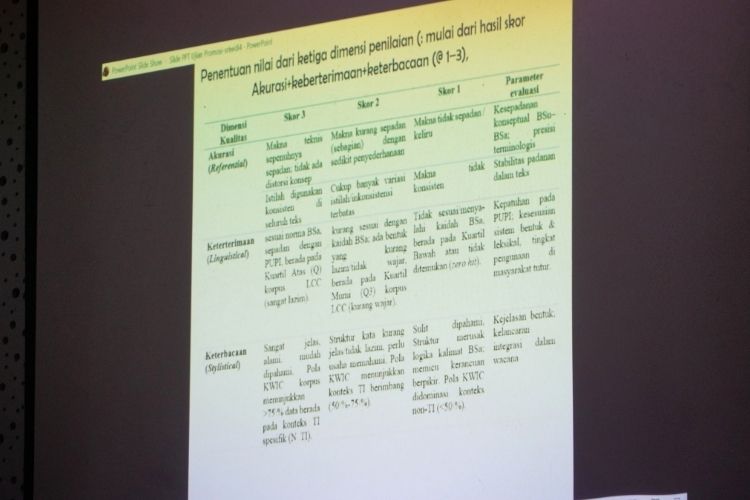
This comprehensive presentation subsequently sparked an in-depth discussion during the Q&A session, which highlighted three main points. First, the promovenda explained that verbs were not analyzed because society more frequently uses nouns in daily digital communication; thus, forcing foreign terms into Indonesian verbs (e.g., "dimixingkan") merely makes the words convoluted and inefficient. Second, regarding the research gap, this dissertation is considered superior to previous studies because it does not simply rely on respondent questionnaires, but utilizes a much broader and more accurate digital language database (corpus). Lastly, in measuring translation quality, the promovenda stated that she compared the General Guidelines for Terminology Formation (PUPI) with actual usage data in society. The test results proved that although standard terms like "tetikus" or "hipertaut" are correct according to official rules, they are in fact unpopular and rarely used by the public compared to their pure English equivalents.
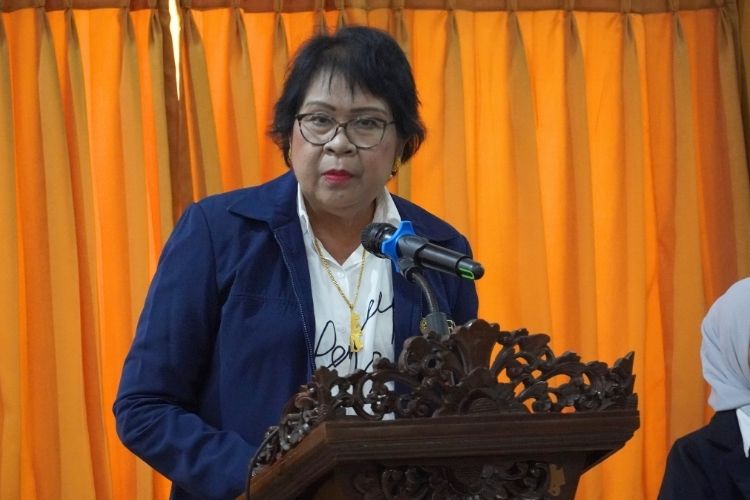
As a closing remark for the examination, Prof. Dr. Ni Luh Sutjiati Beratha, M.A., as the Promotor delivered a significant message. She entrusted the new doctor with a mandate to immediately establish strategic collaborations with relevant institutions, particularly the Agency for Language Development and Cultivation (Badan Bahasa). This synergistic step is encouraged so that the dissertation research, which was completed with great dedication, can be realized as practical input for the future updating of Indonesian language standardization.
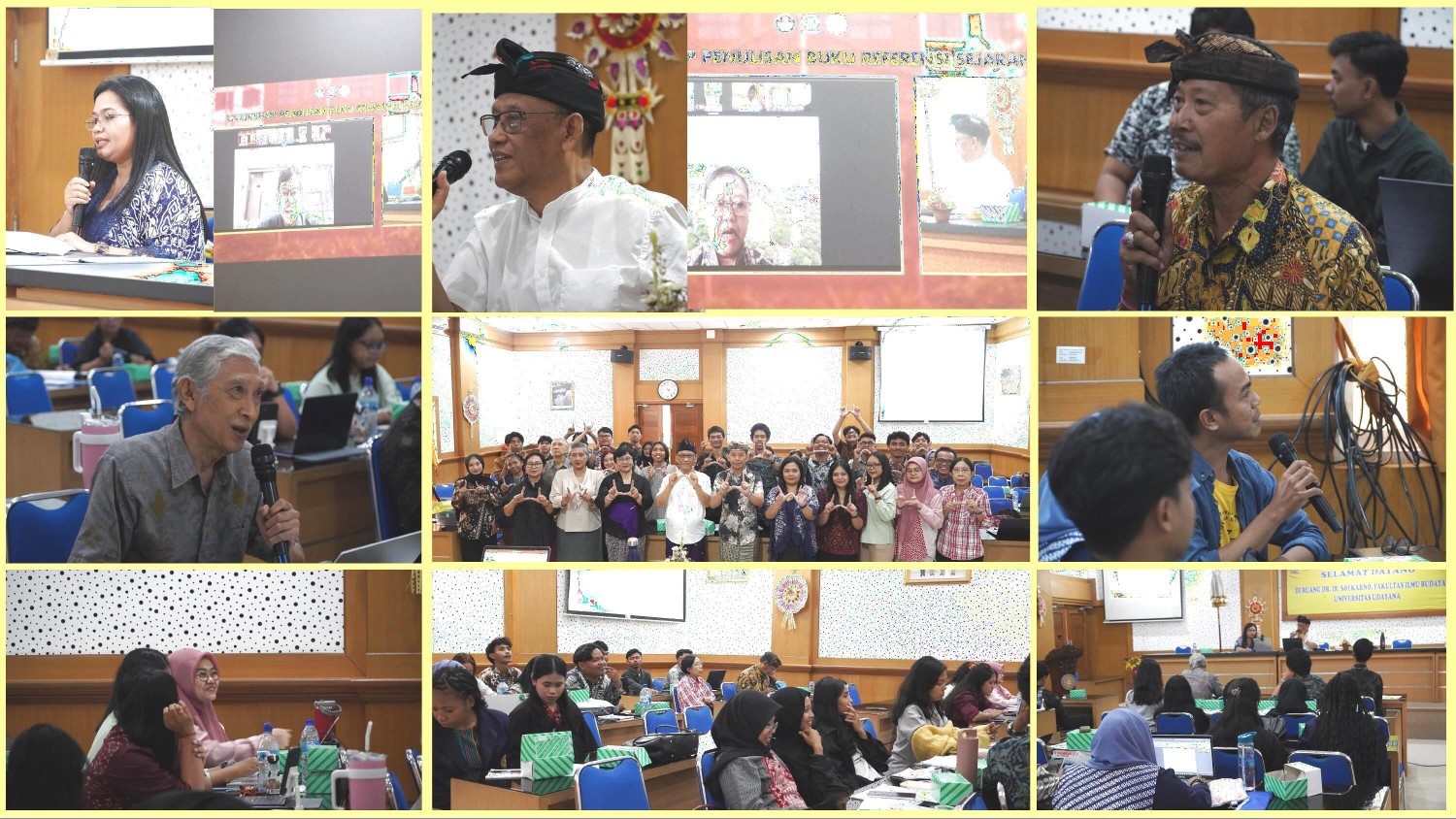
Gallery
.jpg)
UDAYANA UNIVERSITY